Introduction
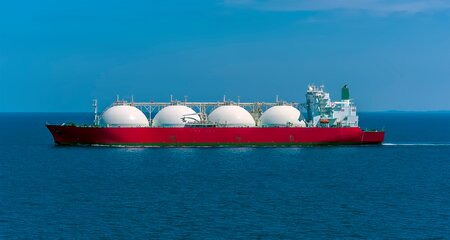
The maritime industry faces persistent technical and operational challenges in the transport of liquefied natural gas (LNG), particularly due to the presence of heavy hydrocarbons, commonly referred to as "LNG heavies." These compounds, specifically long-chain hydrocarbons (C6+), can lead to significant operational disruptions, financial losses, and legal complications. This article examines the nature of these challenges, their commercial and legal implications, and proposes risk-mitigation strategies based on industry guidance and expert insights.
1. Understanding LNG Heavies and Their Operational Impact
LNG is primarily composed of methane but contains trace amounts of heavier hydrocarbons such as ethane, propane, butane, and nitrogen. Among these, long-chain hydrocarbons (C6+) pose a unique threat. Even in minimal concentrations—as low as 0.04 mol% (400 parts per million)—these compounds can solidify at the cryogenic temperatures required for LNG storage (approximately -162°C). This solidification can cause blockages in critical shipboard systems, including pipelines, pumps, valves, and strainers.
The operational consequences are severe:
- Clogging and Equipment Failure: Solidified heavies can restrict or halt flow, leading to increased backpressure, pump failures, or even shutdowns of cargo handling systems.
- Delays and Financial Losses: Addressing these issues often requires unscheduled stops, equipment inspections, cleaning, or repairs, resulting in voyage delays, missed schedules, and potential off-hire situations.
- Safety Risks: Blockages may cause pressure buildups or operational deviations, increasing the risk of accidents.
A striking example illustrates the scale of the problem: in a 100,000-tonne LNG cargo, just 0.04 mol% of heavies translates to roughly 40 tonnes of solidifiable material—enough to disrupt entire shipments.
2. Detection and Technical Response
Proactive identification and analysis are crucial for mitigating risks associated with LNG heavies. Standard LNG quality tests often fail to detect trace amounts of C6+ compounds. Therefore, specialized testing protocols are recommended:
- GPA 2286 Methodology: This advanced analytical procedure can detect heavy hydrocarbon concentrations below 0.01 mol%. It is essential for comprehensive cargo screening, especially when operational irregularities arise.
- Targeted Sampling: In cases of observed malfunctions (e.g., filter clogging), samples should be collected from cargo tanks and affected components. These samples must be tested using extended methods to rule out moisture ingress or contamination and confirm the presence of heavies.
- Collaboration with Terminals: Operators should request detailed cargo composition reports from loading terminals, particularly those with known histories of elevated C6+ levels.
3. Commercial and Legal Implications
The presence of heavies in LNG cargoes often triggers commercial disputes and contractual conflicts between shipowners and charterers. Key issues include:
- Off-Hire and Delay Claims: Vessel operators may face claims for failing to meet charter party deadlines due to operational delays caused by heavies.
- Terminal Compliance Issues: Port terminals may reject cargoes that do not meet specified composition standards, leading to additional costs and complications.
- Equipment Damage: Repairing or replacing damaged pumps, filters, or cooling systems entails significant costs, potentially leading to disagreements over liability.
To address these challenges, industry bodies have developed contractual frameworks:
- Injurious Cargo Clauses: Charter parties should explicitly classify C6+ hydrocarbons as “injurious cargoes,” enabling shipowners to seek indemnities for losses or damages arising from their transport.
- Expanded Indemnity Provisions: Contracts should clearly allocate risks, covering costs related to vessel preparation, troubleshooting, repairs, tank cleaning, and offloading contaminated cargo.
- Sampling and Documentation Rights: Owners should insist on obtaining representative cargo samples before and during loading, tested via GPA 2286, to establish evidence in case of disputes.
4. Mitigation Strategies and Best Practices
Preventive measures and preparedness are critical to minimizing disruptions:
- Pre-Voyage Risk Assessment: Operators should review the production source and historical composition data of LNG cargoes. If heavies are suspected, alternative sourcing or blended cargoes may be considered.
- Onboard Handling Practices: Crew training and standardized procedures can help early detection of issues such as pressure anomalies or flow reductions, allowing swift corrective action.
- Contractual Safeguards: Clearly drafted charter party terms that address testing standards, composition limits, and liability allocations are indispensable.
- Industry Collaboration: Guidance from organizations such as INTERTANKO emphasizes the importance of shared best practices, standardized clauses, and technical cooperation across the sector.
5. Implications for LNG-Fueled Vessels
Dual-fuel and LNG-fueled vessels are particularly vulnerable to heavy hydrocarbons. When heavies are present in fuel systems:
- Fuel System Failures: Filters, injectors, and valves may clog, forcing a switch to conventional fuels and violating emission-reduction protocols.
- Debunkering Requirements: Contaminated fuel may need to be offloaded, a complex and costly process with limited infrastructure availability.
For these vessels, it is advisable to:
- Conduct enhanced fuel testing before bunkering.
- Include protective clauses in fuel supply agreements.
- Ensure compatibility between fuel quality and engine specifications.
Conclusion
The issue of LNG heavies represents a growing concern in maritime transport, blending technical, operational, commercial, and legal dimensions. Through a combination of advanced detection methods, clear contractual terms, and industry-wide cooperation, stakeholders can mitigate these risks. Proactive engagement between shipowners, charterers, and operators is essential to ensure safe, efficient, and dispute-free LNG shipping operations.
This analysis underscores the need for continued innovation in both LNG production and shipboard management to address the evolving challenges posed by heavy hydrocarbons.